
The 2026 Annual Meeting of the Chinese Pharmaceutical Association (CPA) Committee on Pharmaceutical Excipients was held on November
Professor Shiyong Liu of the University of Science and Technology of China attended the meeting and delivered a plenary lecture on the morning of November 8. Entitled "Precision Polymer Chemistry for
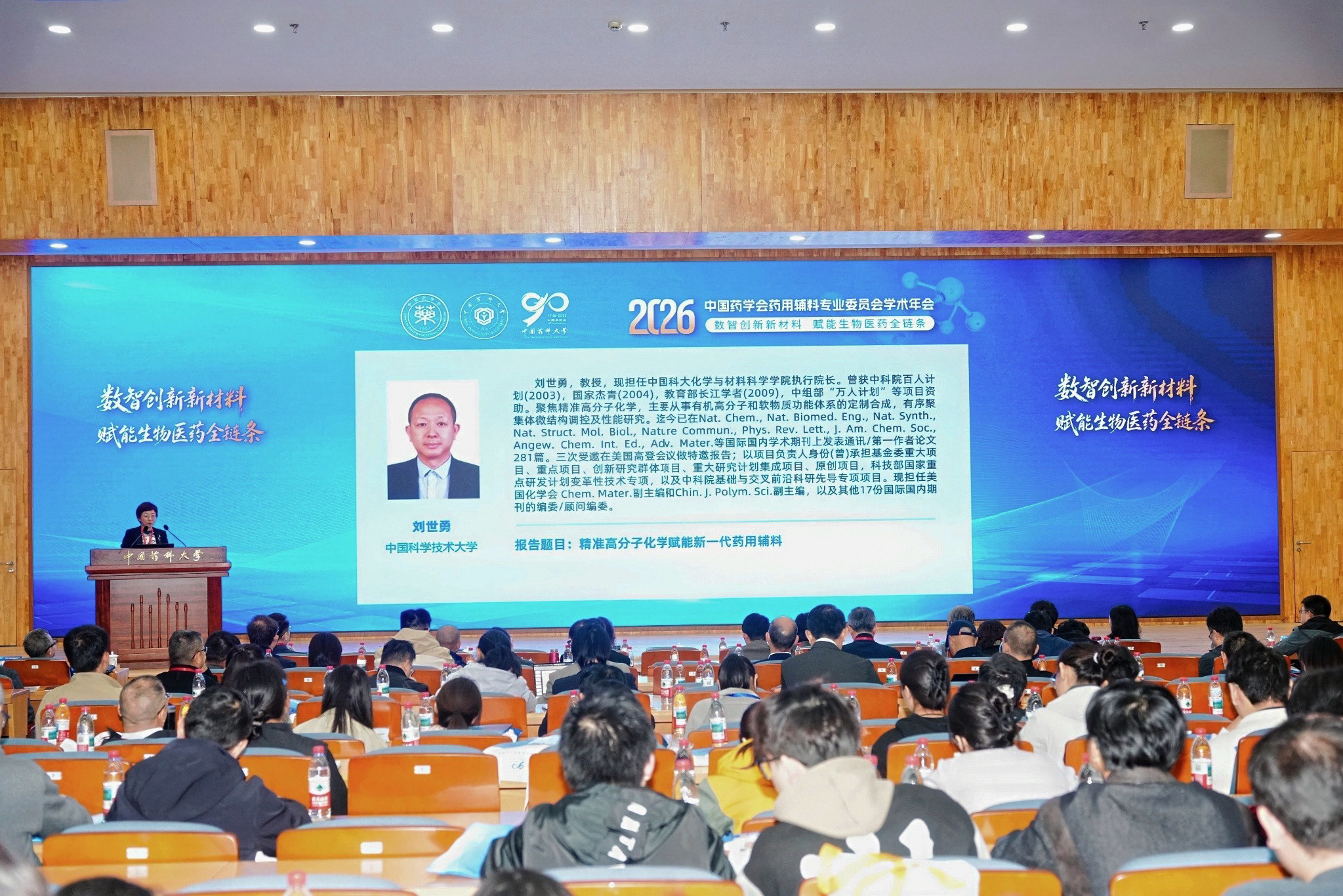
Figure 1. The main conference hall during Professor Shiyong Liu’s plenary lecture at the 2026 Annual Meeting of the CPA Committee on Pharmaceutical Excipients.
Pharmaceutical excipients are important components of drug formulations. For polymeric excipients, chemical composition, chain length, end groups, and molecular structure are fundamental to understanding material properties and suitability for an intended use. Progressing from synthesis to formulation requires more than obtaining a target product. Researchers also need to establish whether its structure can be identified accurately, whether different batches can be compared reliably, and how its properties match specific application requirements. Materials with more clearly defined molecular structures can support more focused investigation of these questions.
Polyethylene glycol (PEG) illustrates this approach. Conventional PEG generally comprises molecules of different chain lengths and is commonly described by average molecular weight and dispersity.
In research on protein and peptide conjugation, drug linkers, and delivery materials, PEG chain length and terminal functionality provide distinct options for molecular design. Combining structurally defined PEG segments with reactive groups, lipids, or other functional units enables the preparation of material series for comparative studies. Examining chain length, end groups, and linkage chemistry individually within a defined structural framework can help clarify how changes in composition relate to application performance and guide further functional optimization.
Translating a precisely defined molecule into a usable material also requires synthesis, purification, and analytical characterization to work together. Obtaining the target structure is a starting point; impurity identification, quality assessment, and reproducibility of preparation also require continuing attention. The meeting’s emphasis on quality control, formulation performance, and translation reflects the need to advance materials innovation alongside evaluation for intended applications.
Precision Polymer Technologies Co., Ltd. was established through the transfer of rights to research outcomes from the University of Science and Technology of China and focuses on precision polymer materials and their applications. Working on
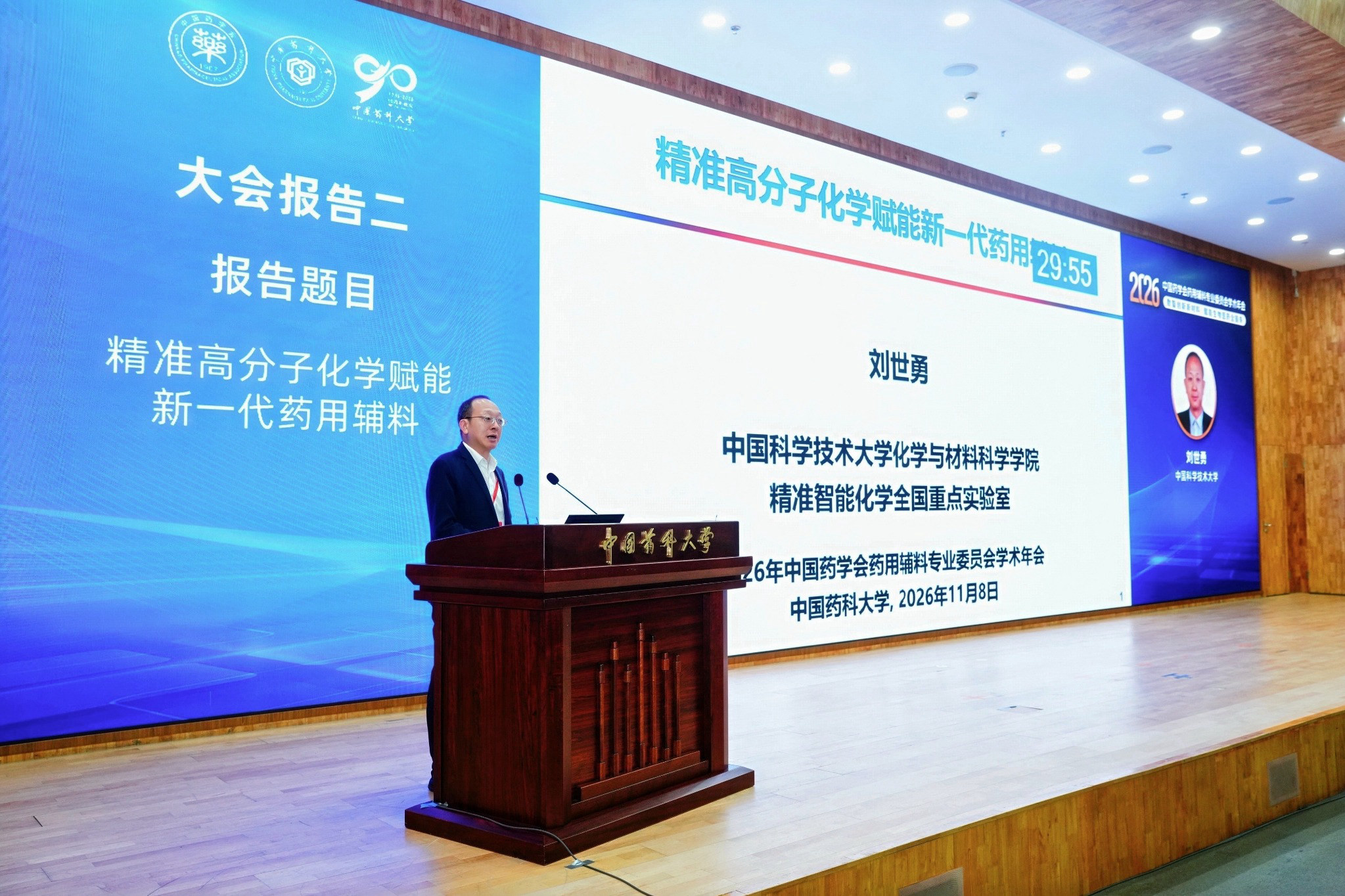
Figure 2. Professor Shiyong Liu delivers his plenary lecture, "Precision Polymer Chemistry for
Precision Polymer will continue to follow academic developments and practical needs in pharmaceutical excipients. Its materials